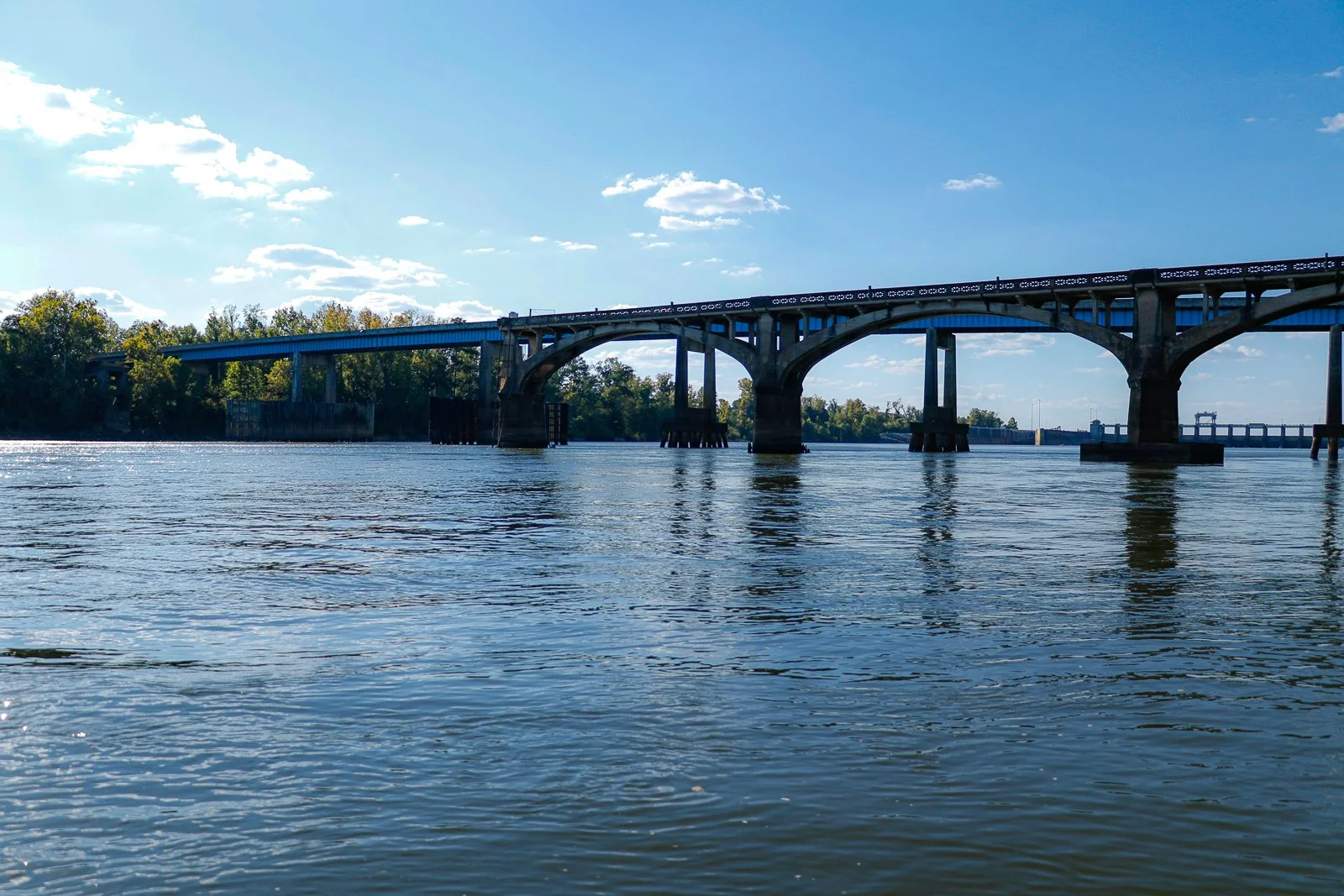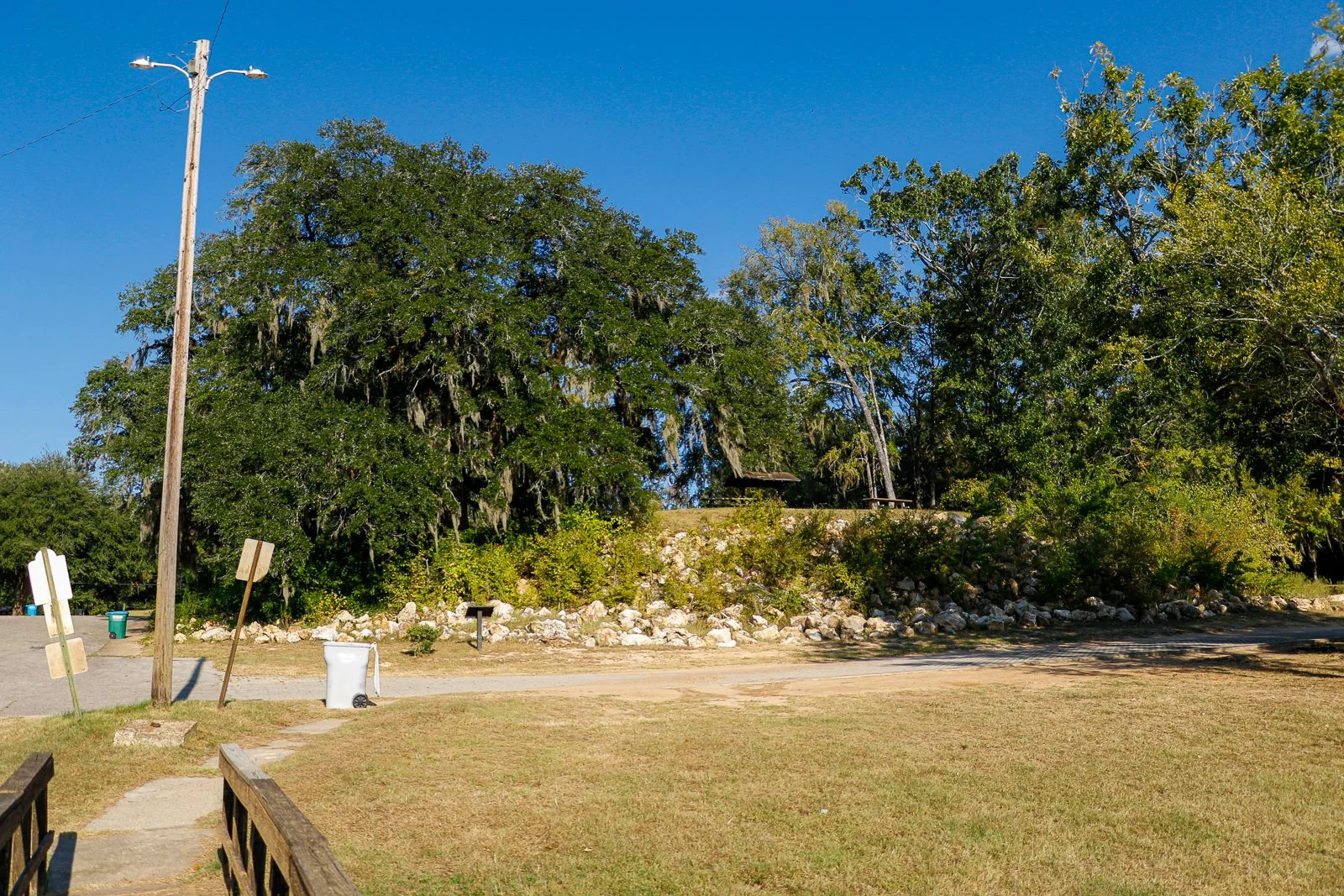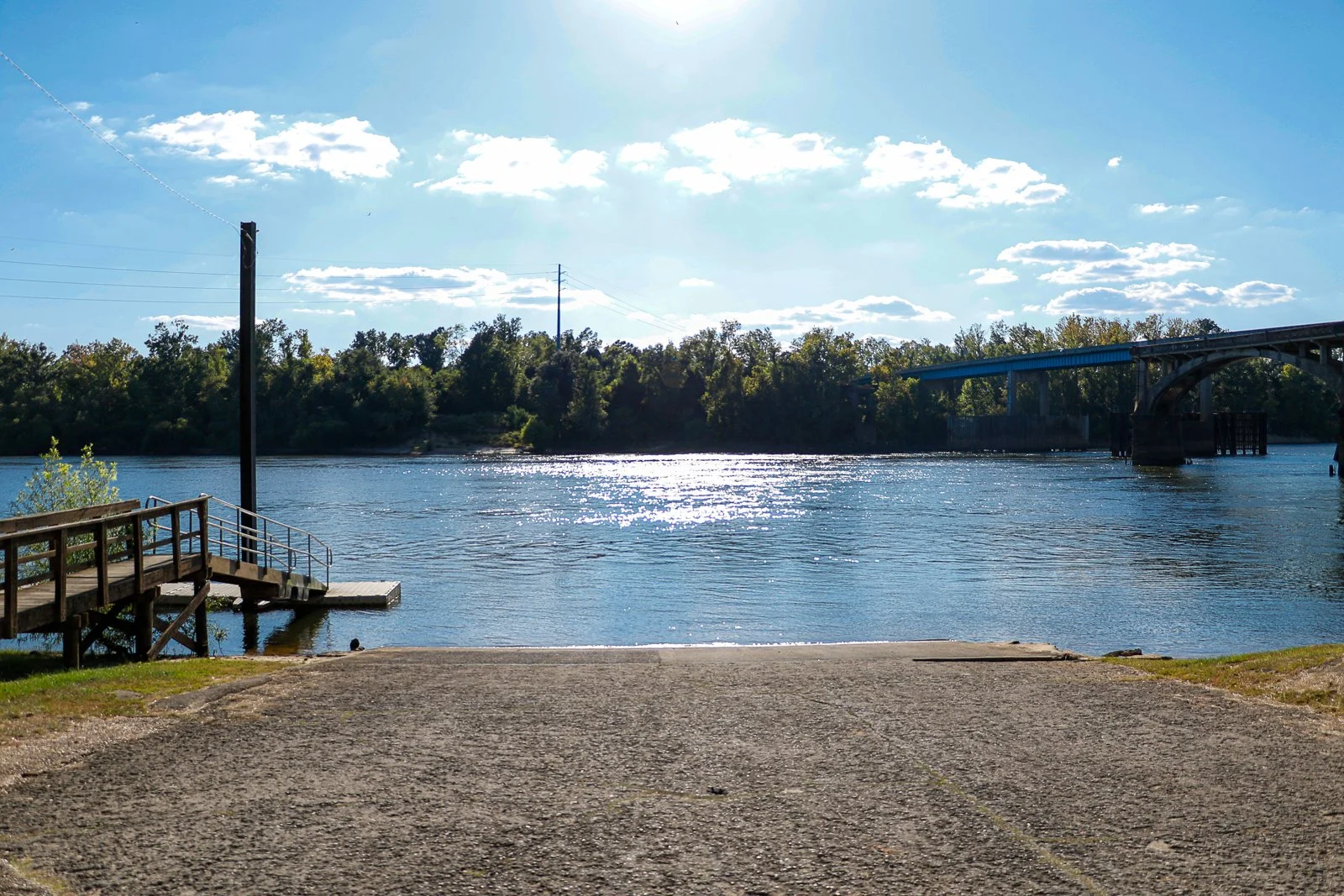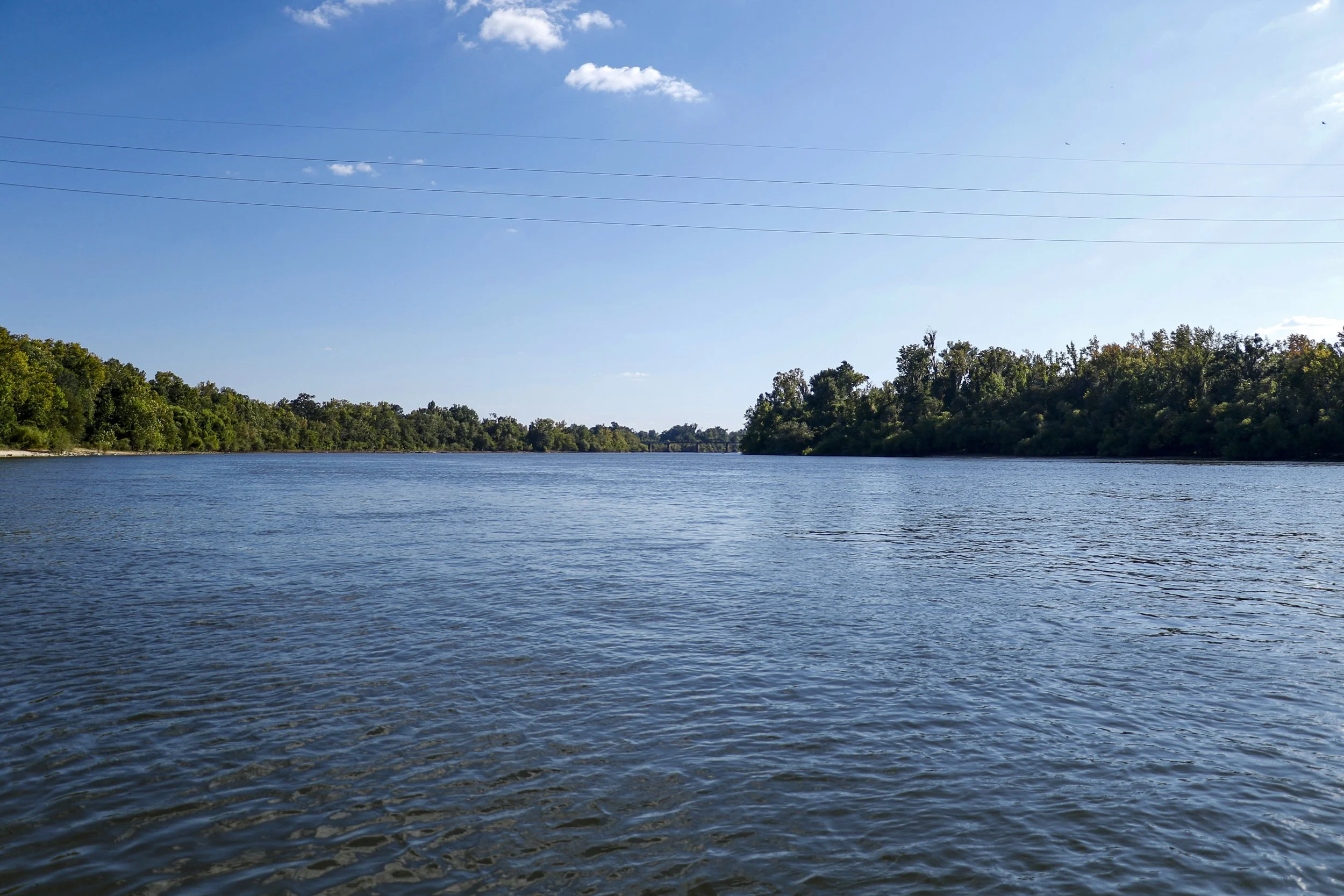
The Chattahoochee Landing
Chattahoochee, FL, 09.13.’25
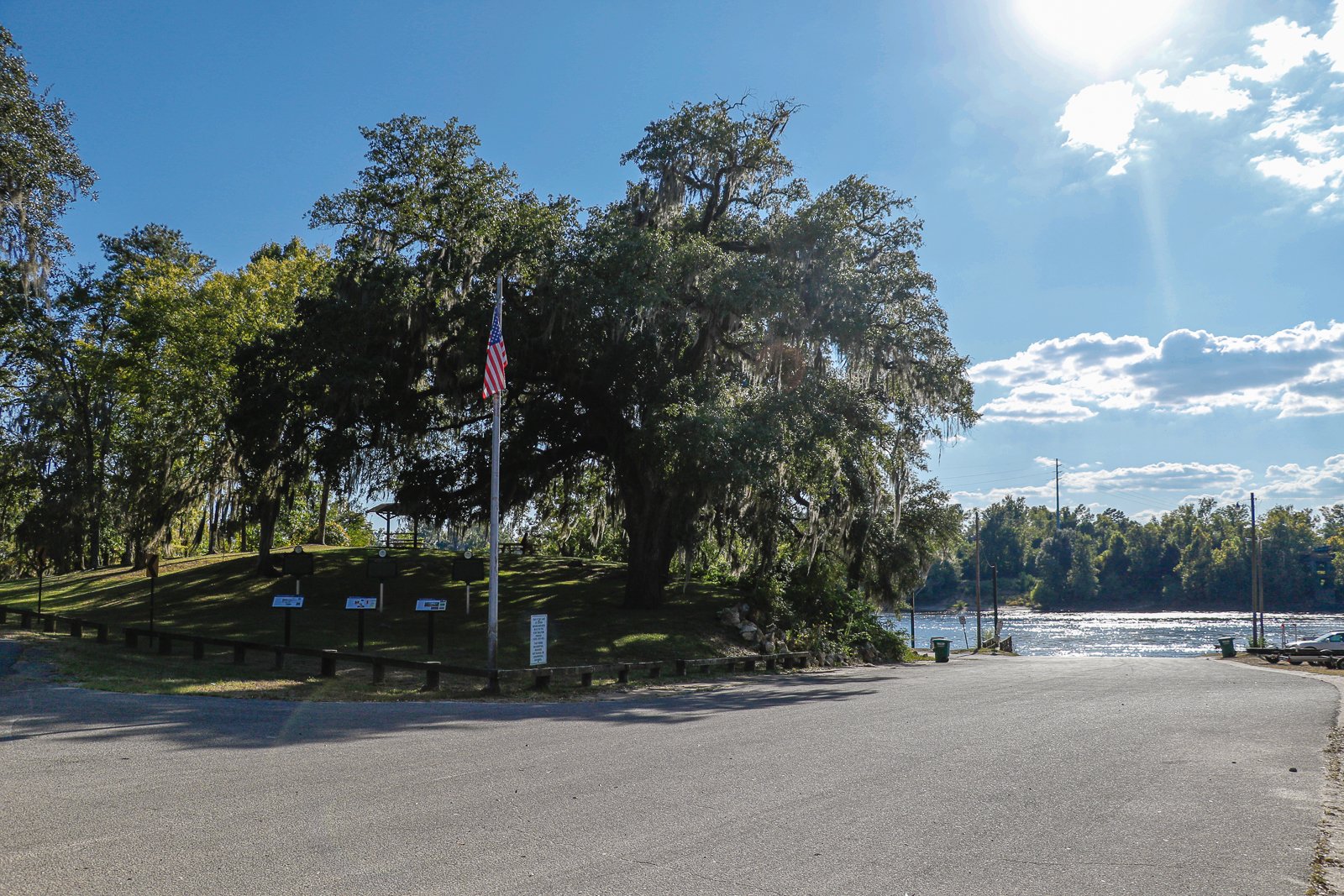
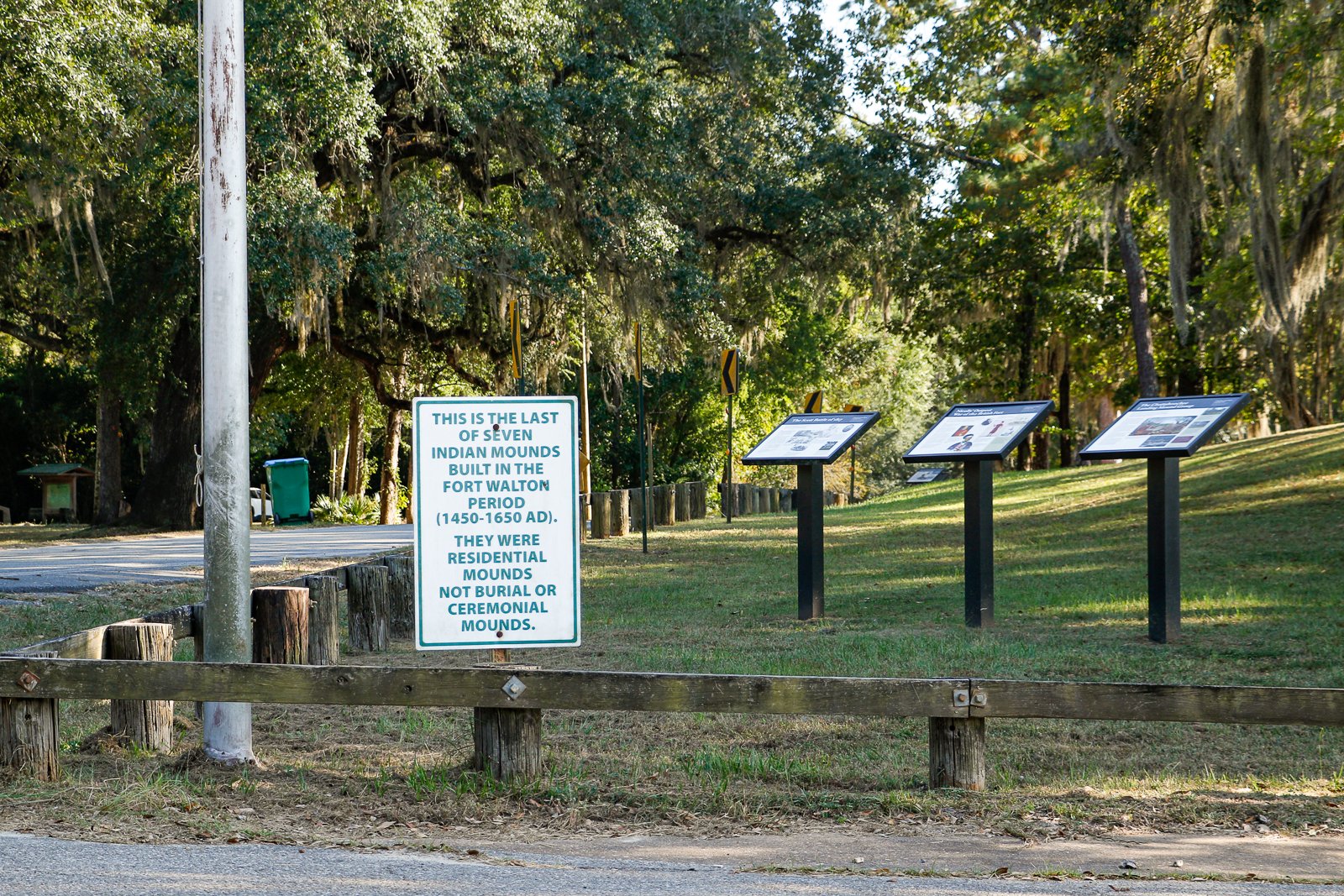
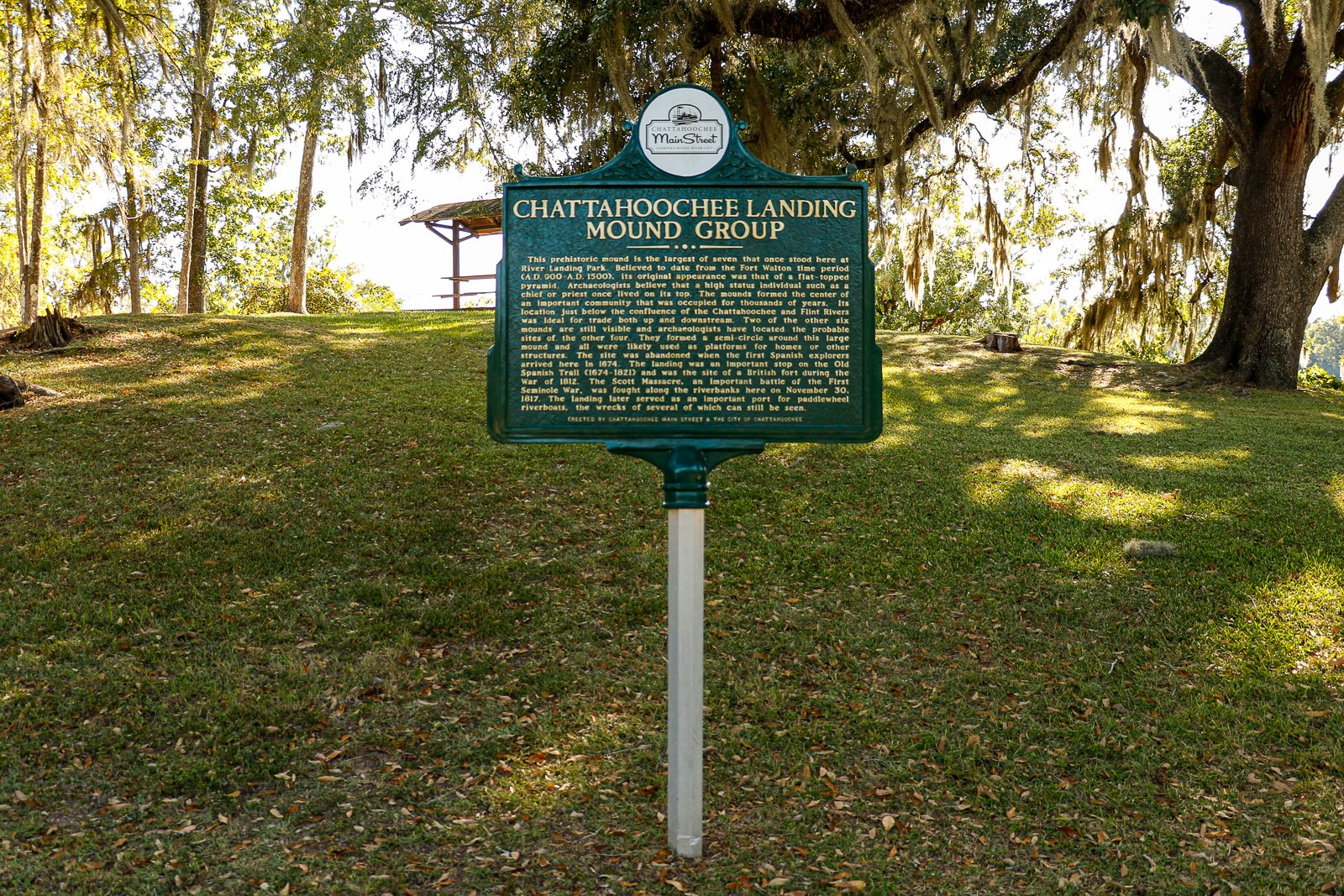
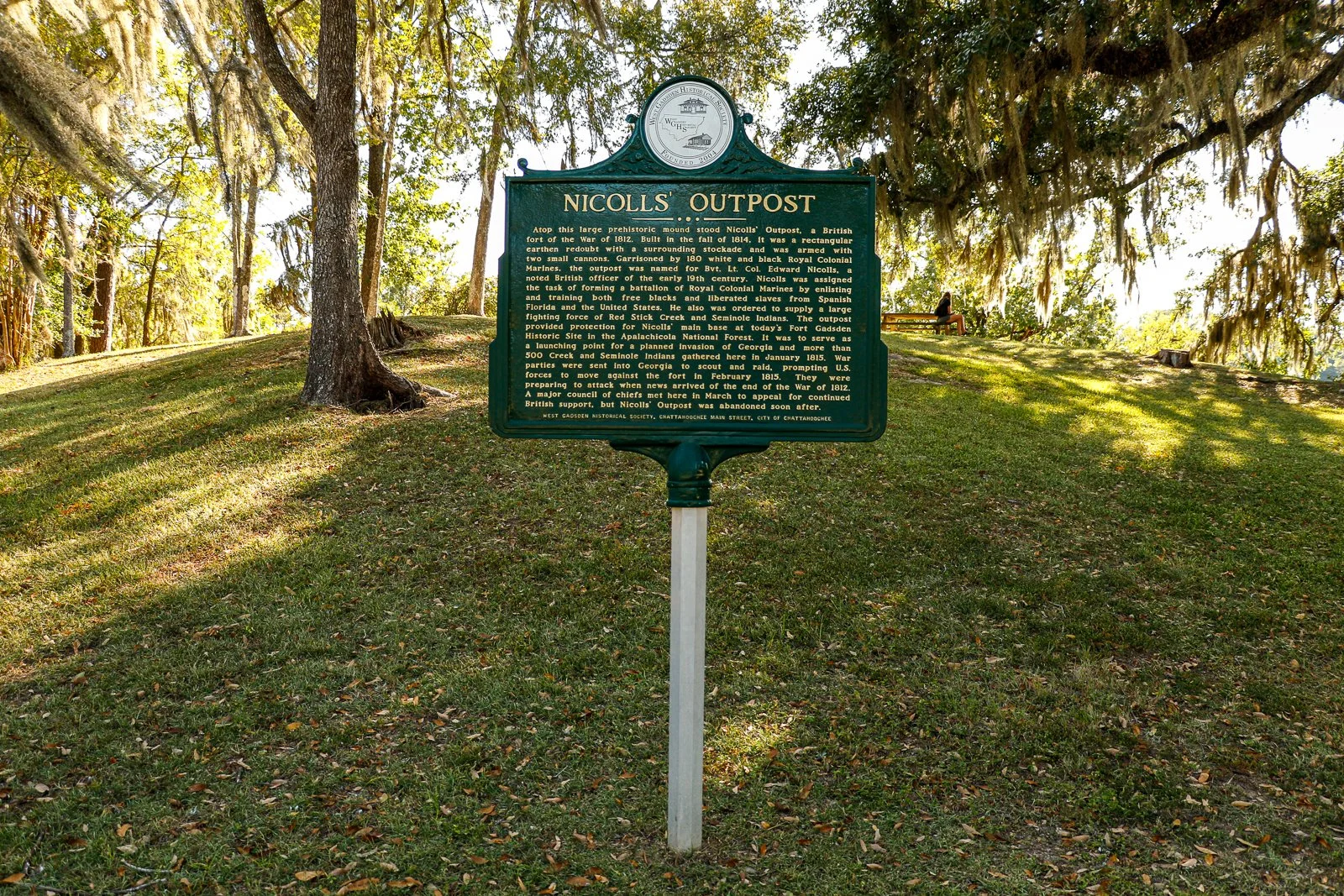
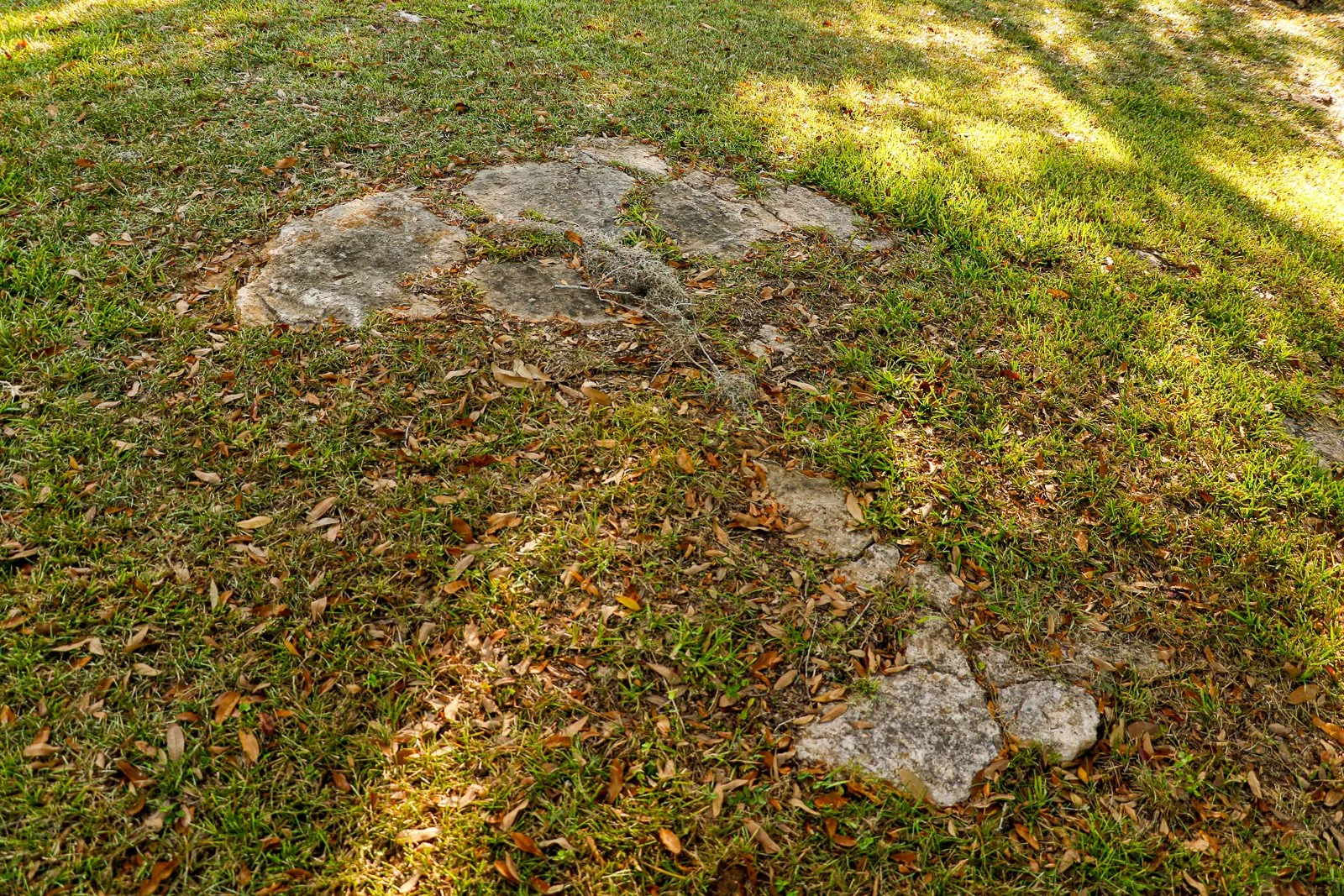
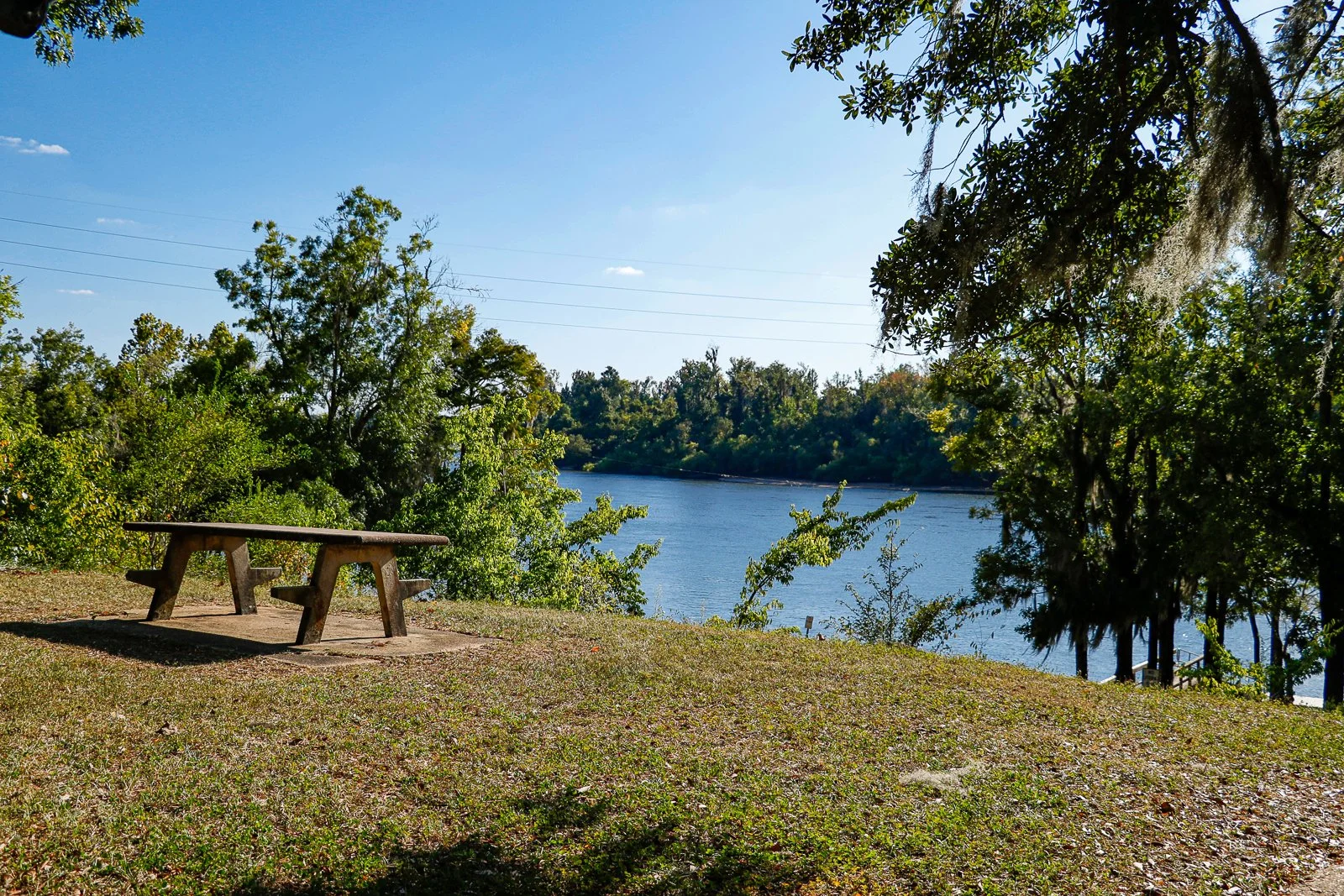
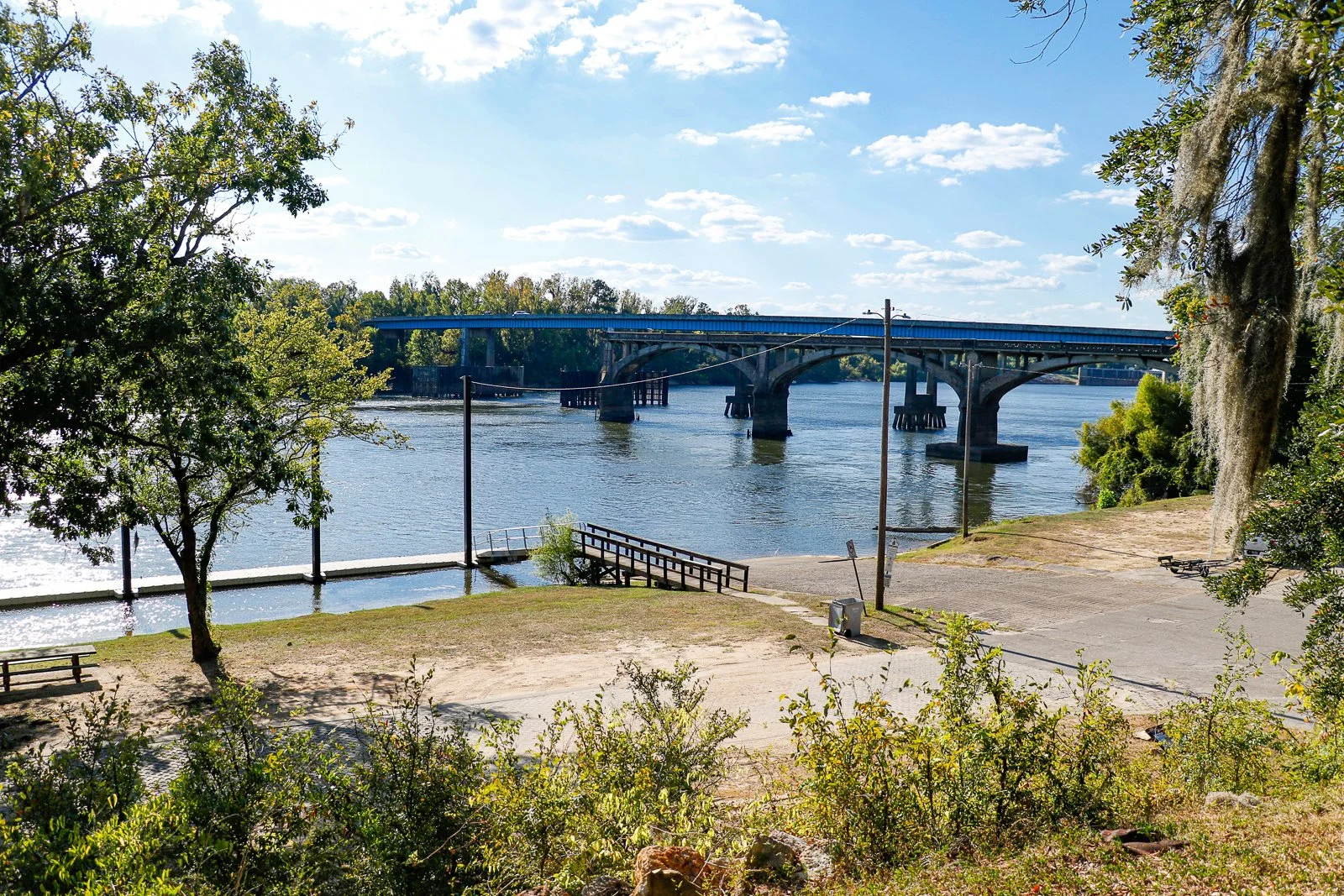
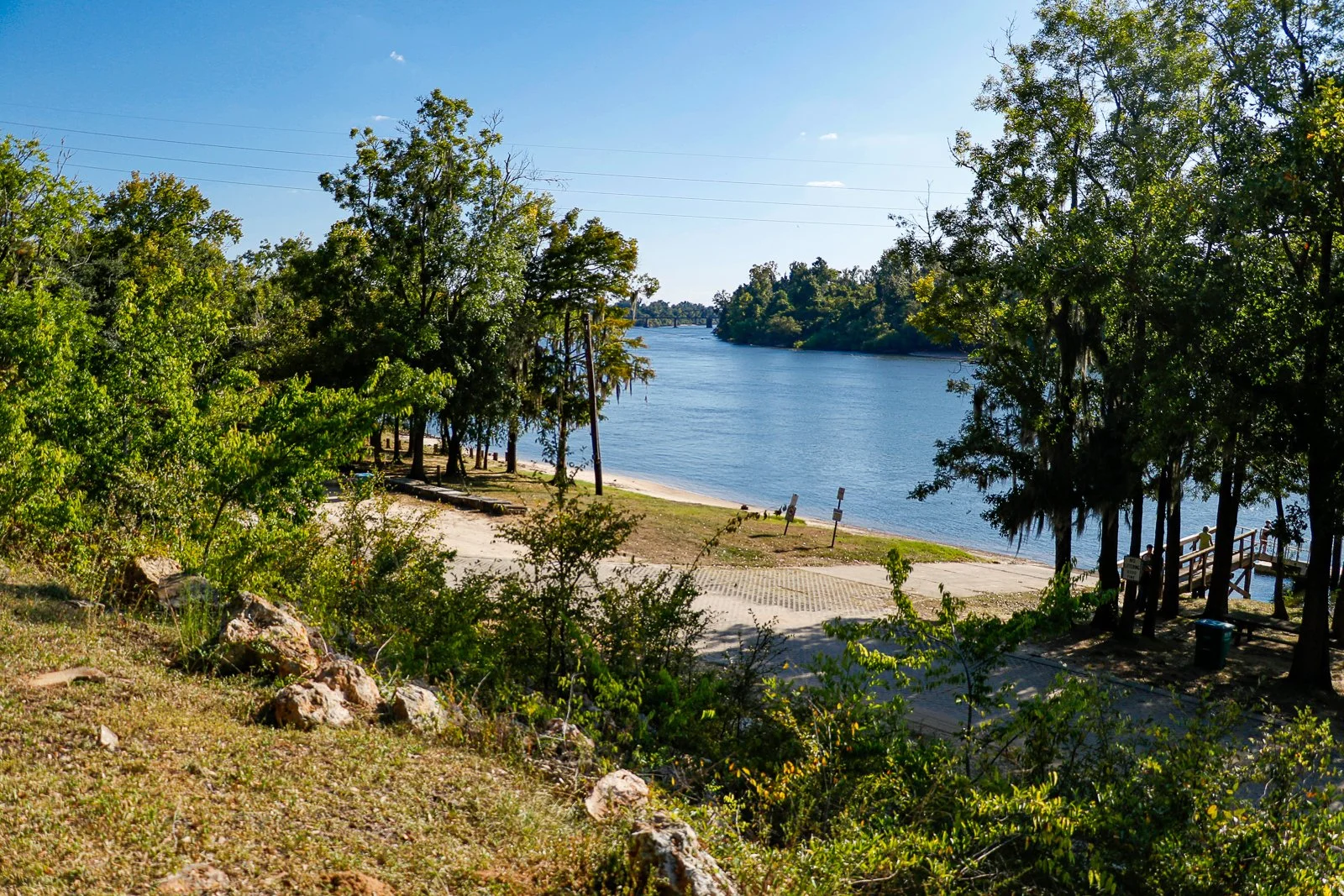
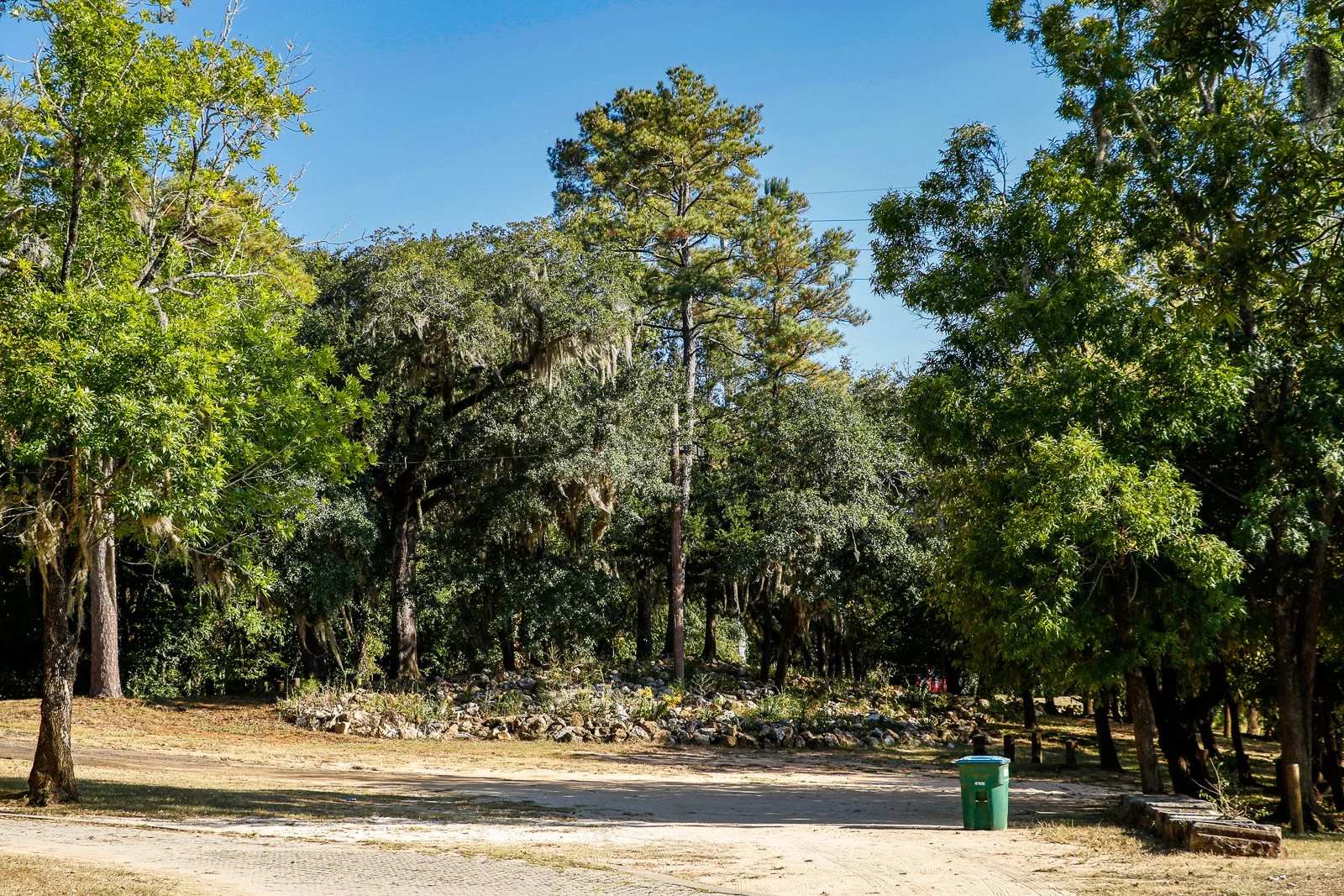
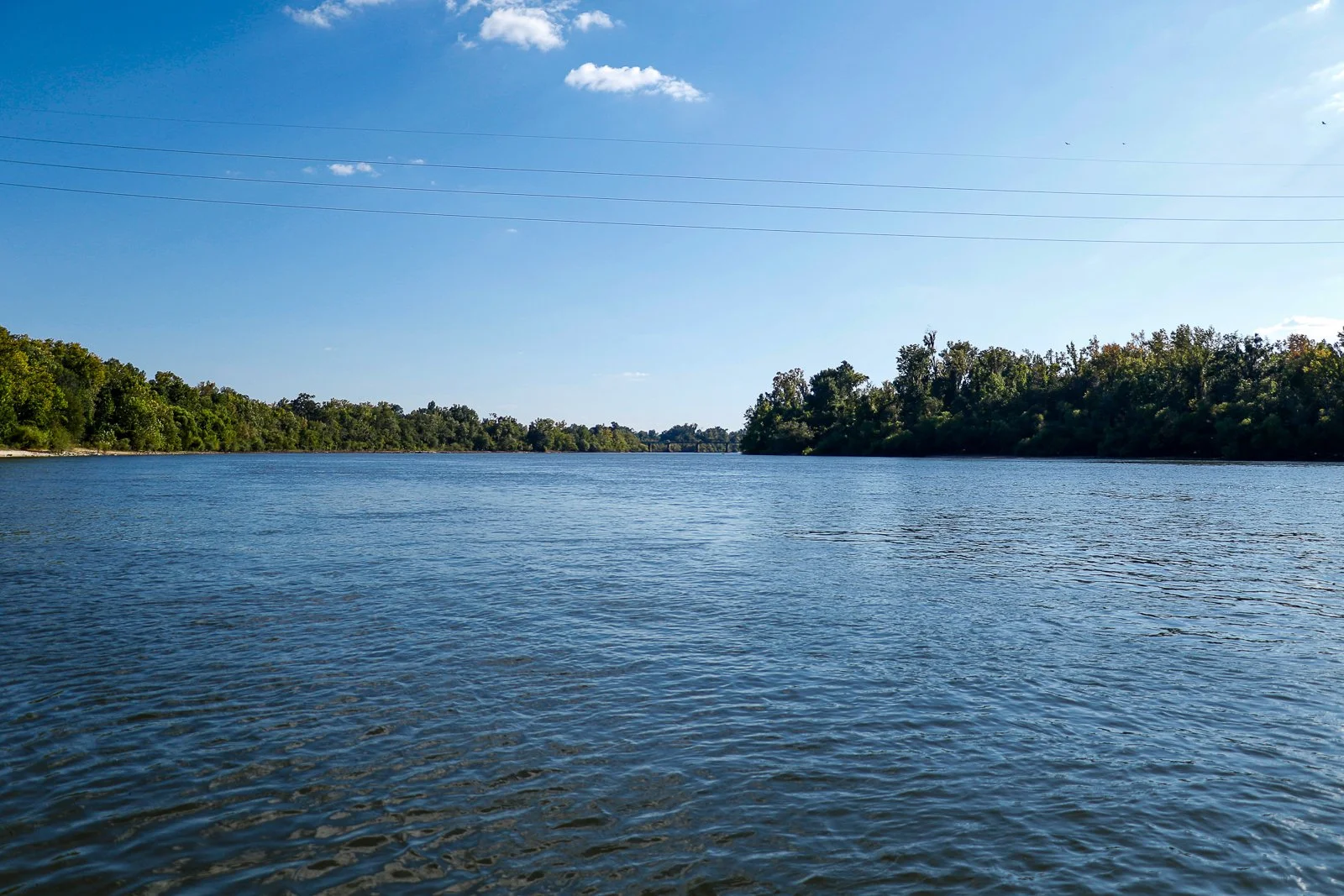
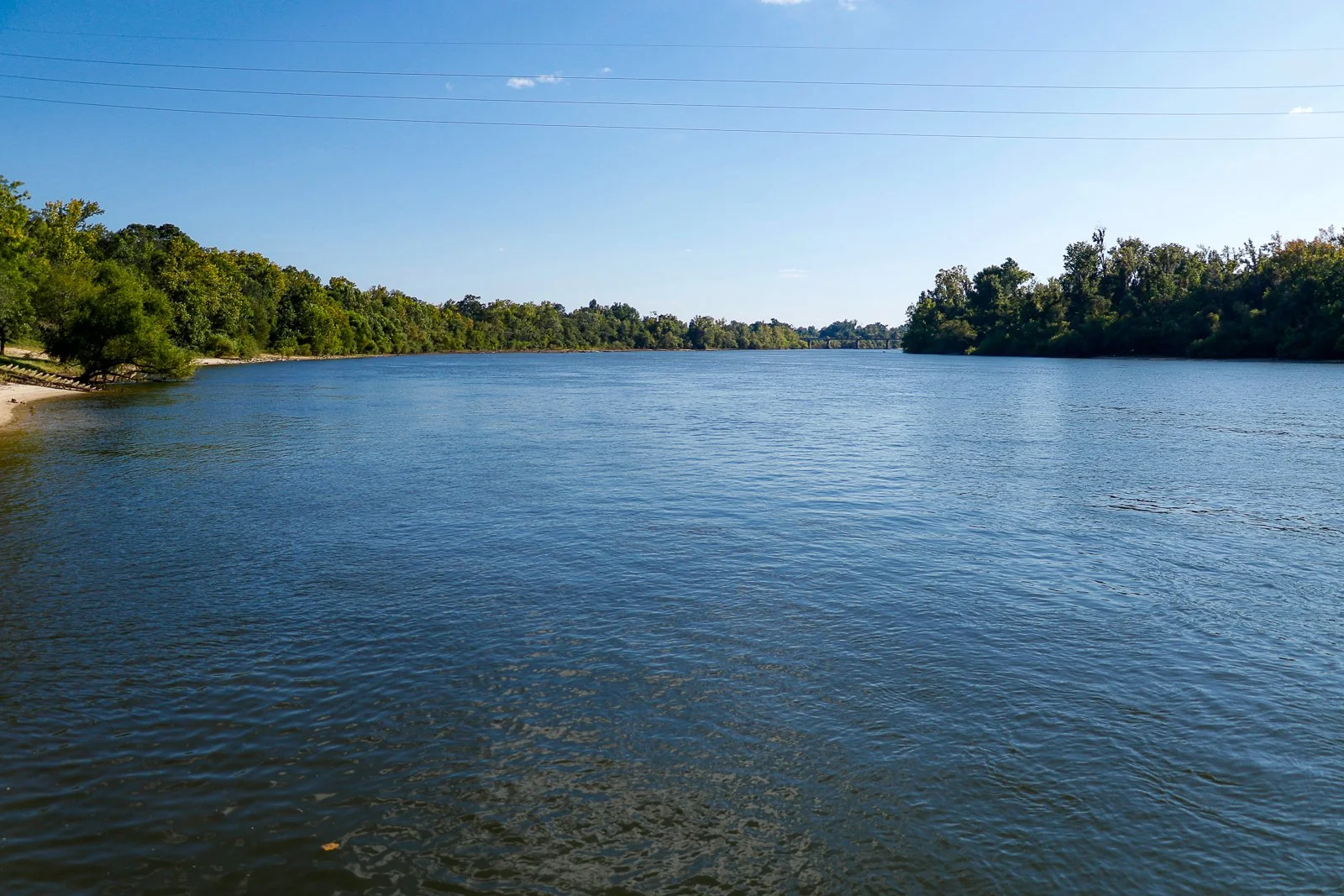
The site of the pre-Columbian Chattahoochee Landing Mound Group, whose mounds are still visible along the banks of the Apalachicola River. During the War of 1812, Royal Marine officer Edmund Nicholls founded an outpost on the site of the largest mound overlooking the river, as a staging point for a potential invasion of the southern states. Though nothing came of this invasion, Nicholls support of the Negro Fort further down river offered the British opportunities to invade Mobile and New Orleans, where at both points they were repulsed. The Battle of New Orleans was the concluding conflict of the war, and was followed by the removal of British personnel from both positions along the Apalachicola River.
The Hero of the Battle of New Orleans, General Andrew Jackson, once again received national renown after leading allied forces to crush the Red Sticks insurgency at the Battle of Horseshoe Bend. The following surrender of rebellious Red Sticks Creeksresulted in the signing of the Treaty of Fort Jackson which opened up the Alabama territory as well as southern Georgia to American settlement. This agreement stung the Lower Creeks who had allied themselves with the Americans during the Creek War, however, not all tribes adhered to the treaty. The Muscogee-speaking Mikasuki people did not consider themselves akin to the Creek confederation and therefore did not recognize the transfer of land ownership as applying to them. The Mikasuki, led by Neamathla, lived in Fowltown, a village near the Flint River (south of modern Bainbridge, GA), were viewed as violating the treaty and the US Army was ordered to squelch them. The subsequent battles at Fowltown saw the survivors flee into Spanish Florida, awaiting their opportunity for revenge.
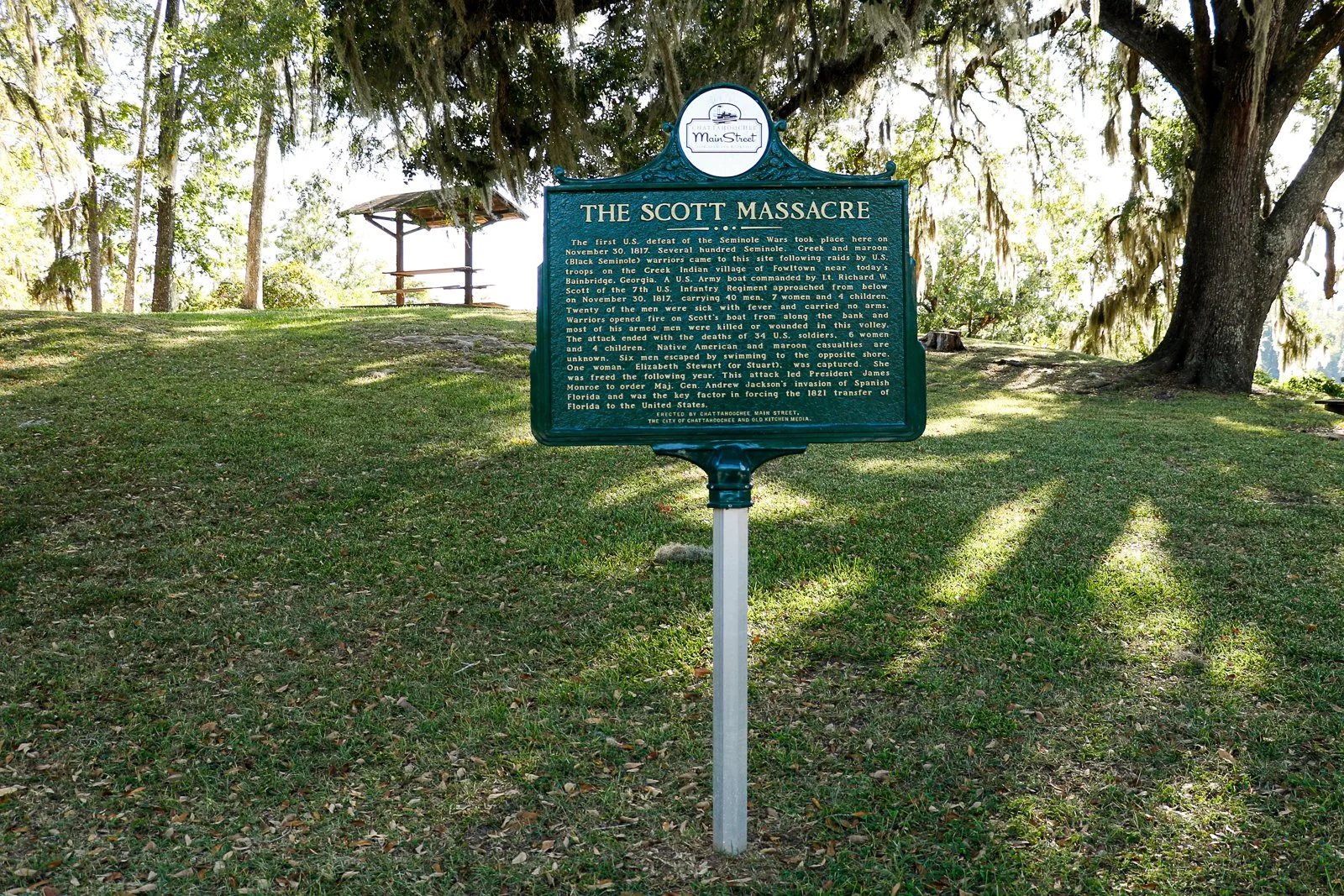
This opportunity arose with the establishment of Camp Crawford, just a few miles north, along the Flint River in Georgia (the location of which is now likely under Lake Seminole). The camp was resupplied by boat coming upriver from the Gulf. However, on November 30, 1817, a US Army boat of 51 lives, many of whom were sick passengers to be delivered to Camp Crawford, wound its way up river. The commander, Lt. Richard W. Scott, had noticed the Indian movement along the banks and feared what may come. He ordered the boat to stick to mid-stream, however the current from the confluence of the Chattahoochee and Flint Rivers was too strong, pushing the boat towards the eastern bank. The soldiers tried as they might to hold off the raid, but several of the Indians had swam out to the boat and pulled it further onto the shore. A bloody hand-to-hand battle took place that soon took the shape of a massacre. Only seven passengers survived by jumping ship and swimming to the opposite shore; they included six soldiers and one woman. The rest had been scalped. The Mikasuki had their vengeance.
However, that would ultimately prove the downfall of all the Florida tribes. Following the Scott Massacre, a national outcry urged President James Monroe to order General Andrew Jackson to invade the Spanish territory. This would ultimately end with the US occupation and eventual acquisition of Florida. The thin veneer of diplomatic hand-wringing that offered the tribes of Florida protection from American encroachment was ripped away and they would be faced with the longest of the American Indian Wars.